📦 Materials & Technology
Fabric selection, manufacturing techniques, quality testing, printing processes
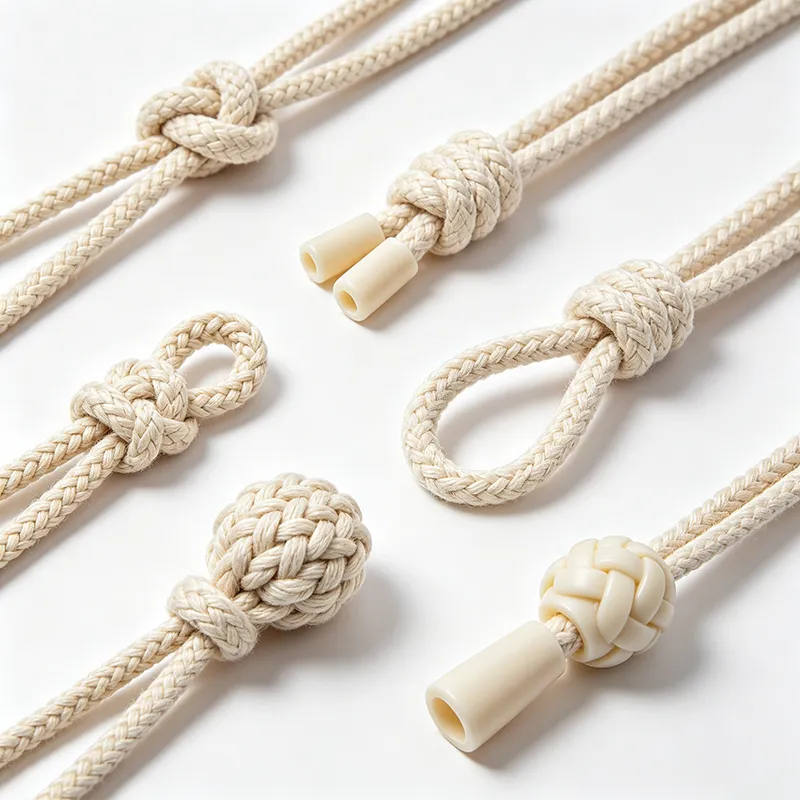
From basic knots to heat sealing, ultrasonic cutting, and resin coating. Learn which end treatment works for cotton, polyester, or ribbon drawstrings. Essential for quality packaging.
View Article
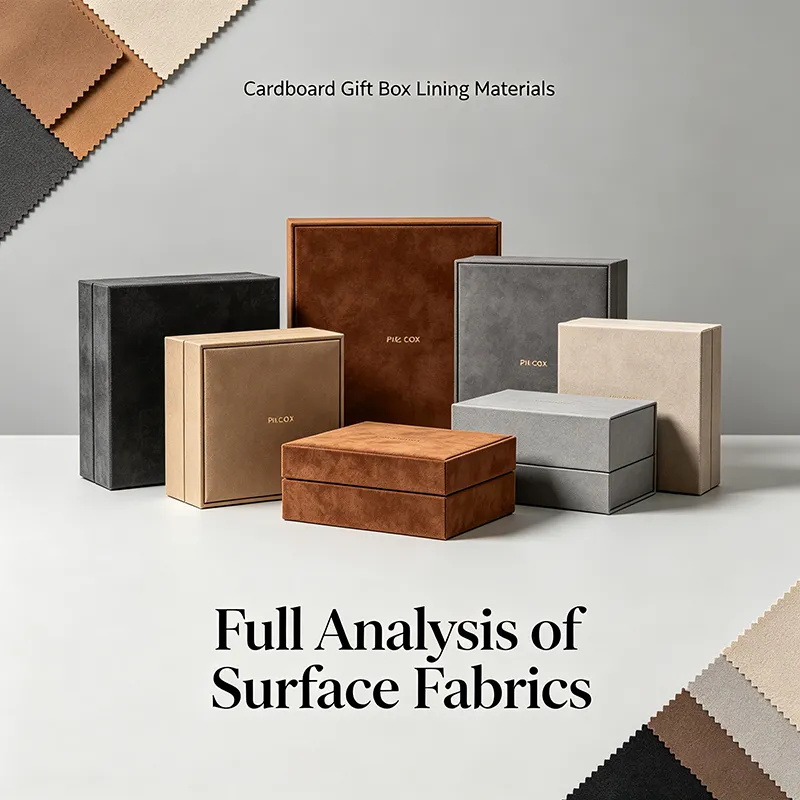
Specialty paper, velvet, PU leather, genuine leather for rigid box lamination. Compare texture, cost, printing adaptability, and common defects. Essential for custom rigid boxes sourcing.
View Article
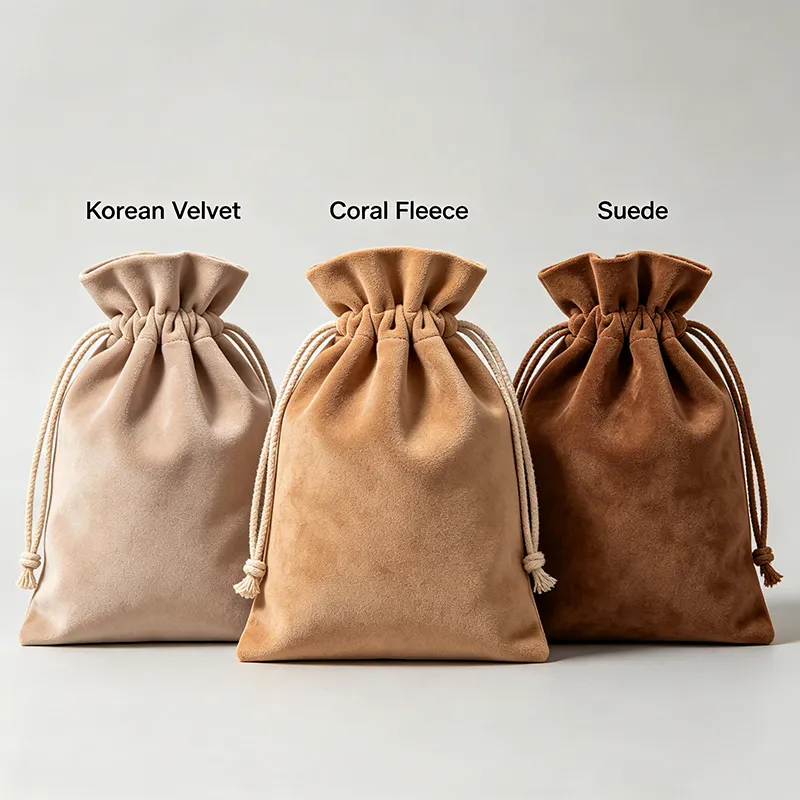
Korean velvet, coral fleece, microsuede, short plush… Real composition and suitability for drawstring bags. Procurement advisor explains 10 common fabrics. Real case + sourcing tips.
View Article
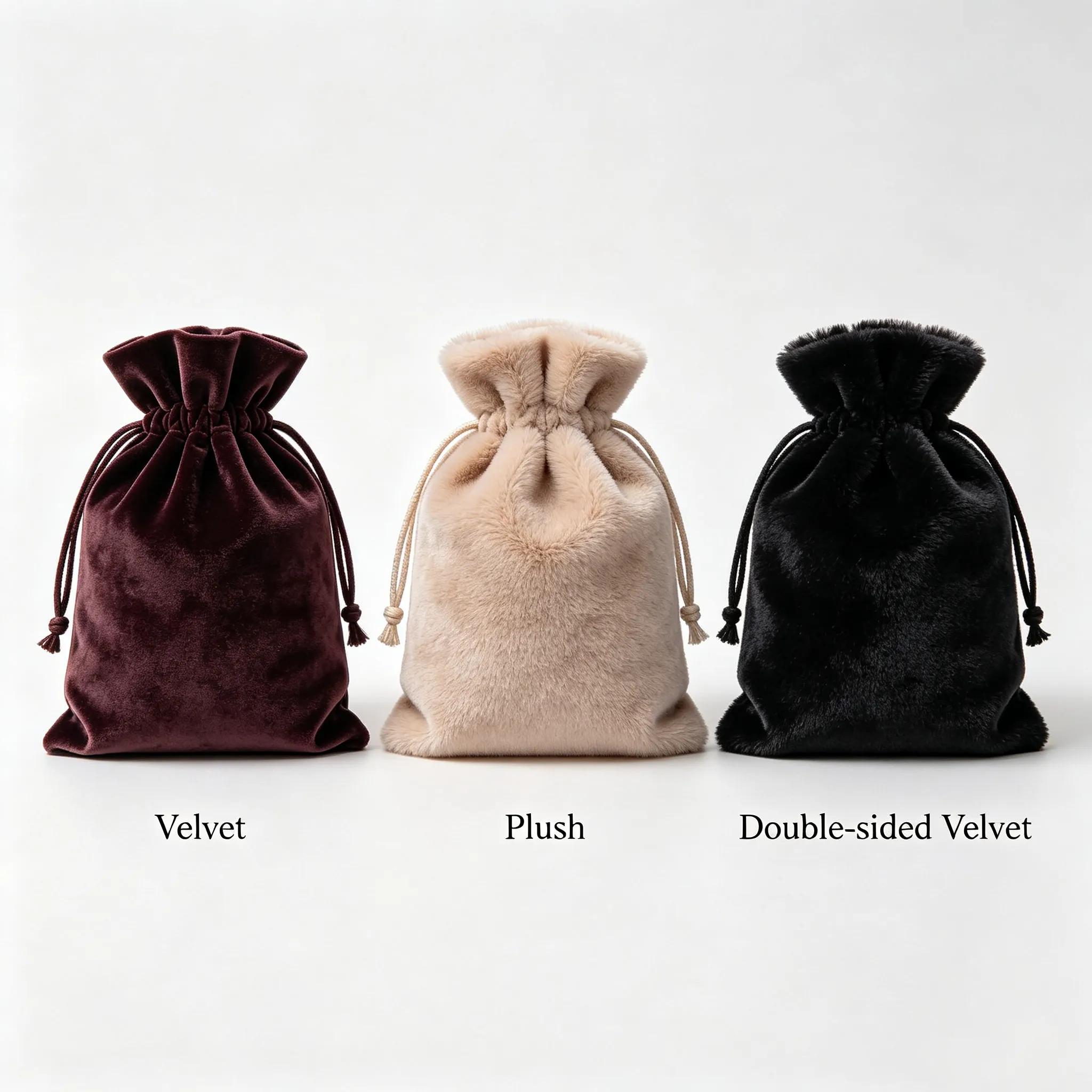
Compare plain velvet, long plush, double-faced velvet, knit velvet, flocked, crushed, cut/loop velvet. Softness, elasticity, stiffness, abrasion, logo process, cost. Real case + sourcing tips.
View Article
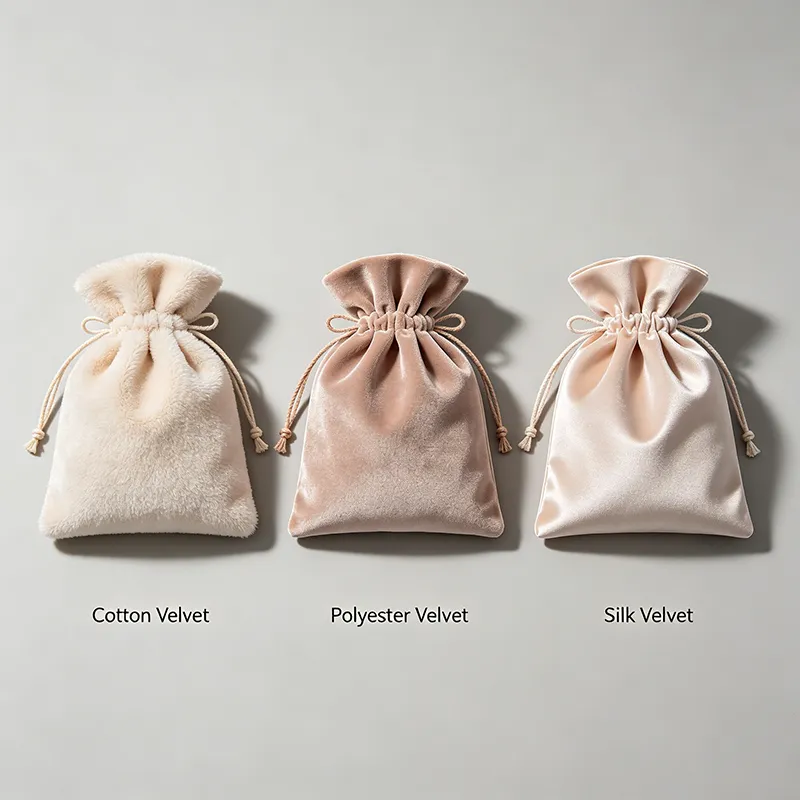
Compare polyester, cotton, silk, nylon, rayon, blended velvet for drawstring bags. Softness, luster, abrasion, eco, cost. Sourcing tips + real case.
View Article
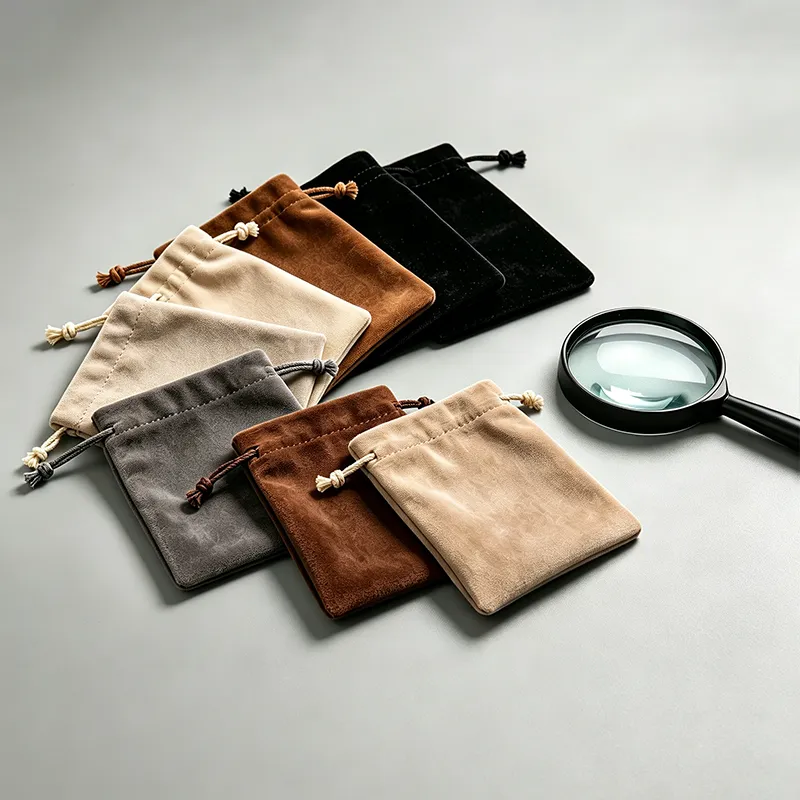
Learn key metrics: GSM, backing, pile height, fiber. Decision tree for budget, scratch resistance, eco‑needs. For velvet drawstring bag buyers.
View Article
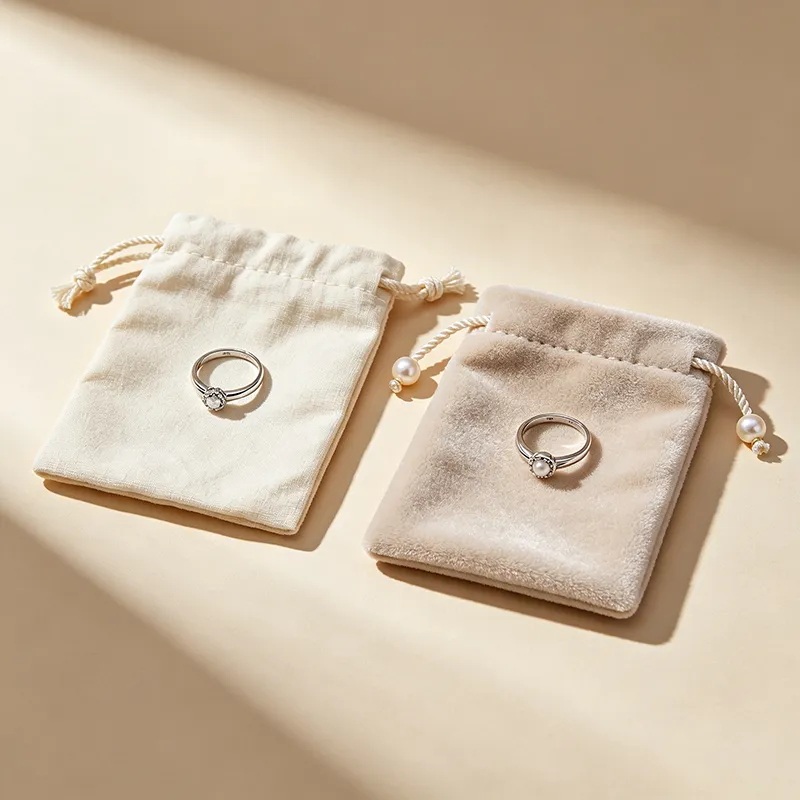
Compare cotton vs flannel jewelry bags: raw materials, weight, scratch resistance, logo customization, cost, washability. Decision tree for ESG brands. From cotton jewelry bags wholesale supplier.
View Article
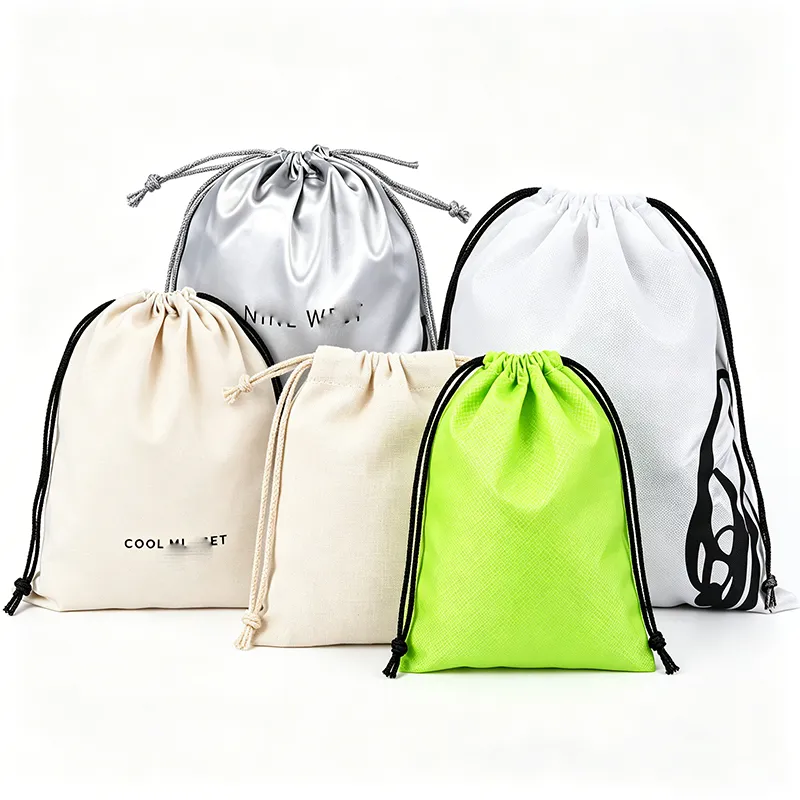
Compare 5 drawstring bag fabrics: cotton, polyester, canvas, Oxford, non-woven. Weight, water resistance, durability, print, cost, eco-certifications. Includes 5-step decision tree.
View Article
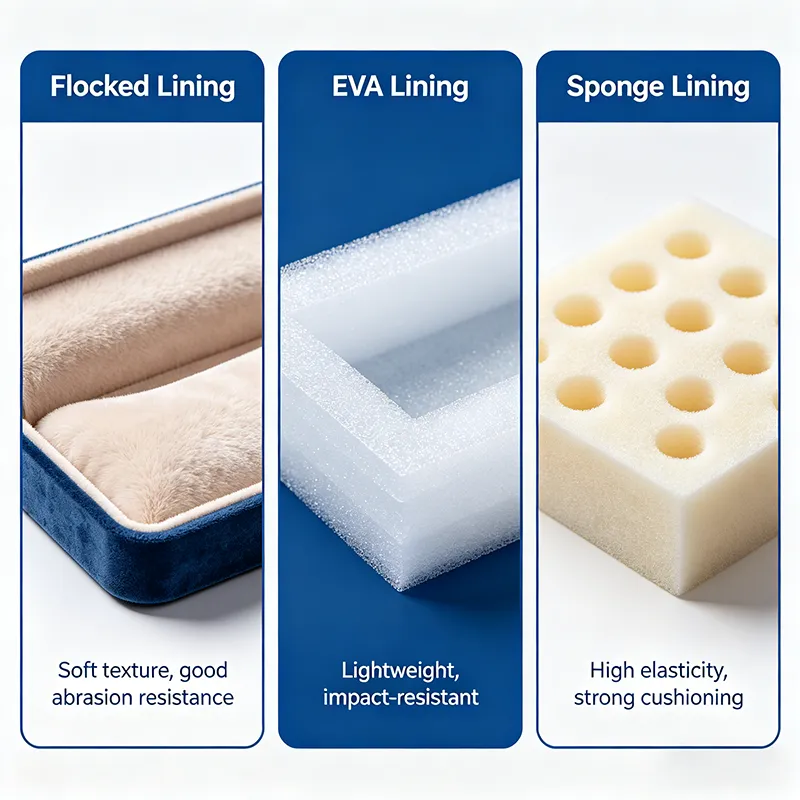
Compare velvet, EVA and sponge for jewelry box linings. Density, thickness, customization accuracy, cost and eco-friendliness. Essential reading for jewelry box manufacturers and custom jewelry box manufacturers.
View Article
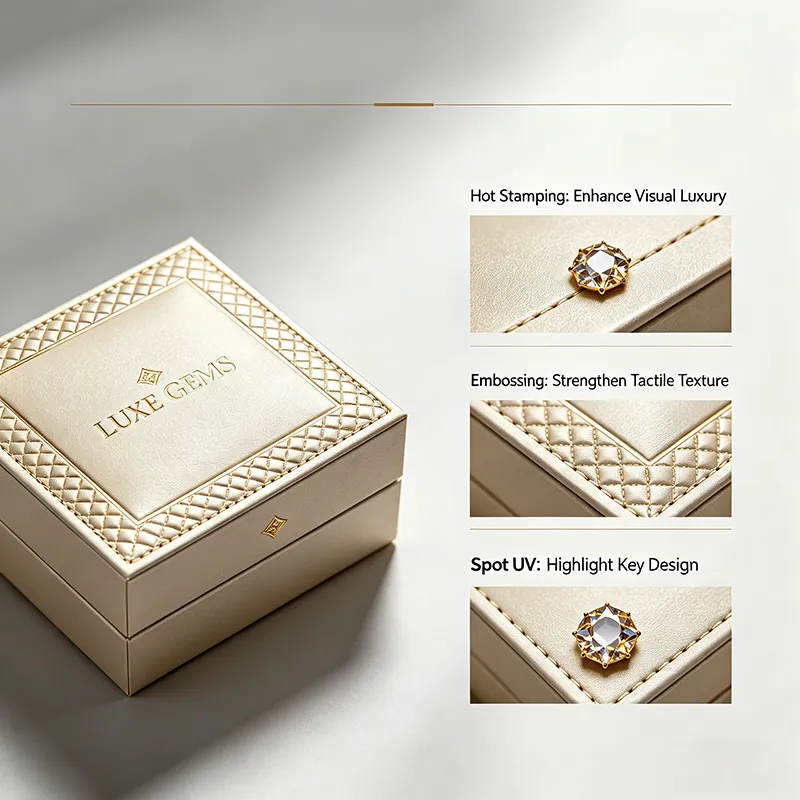
Compare foil stamping, embossing, and spot UV for jewelry packaging. Learn costs, material suitability, and get a decision tree to boost brand premium. Perfect for custom printed jewelry boxes.
View Article

Understanding the Hidden Chemical and Environmental Triggers. The odor issue in drawstring bags is ultimately a dynamic interaction between material emissions and environmental conditions
View Article

Only by integrating fiber traits, process parameters, and usage scenarios into a unified algorithmic model can the industry truly deliver on the promise of “zero pilling.”
View Article
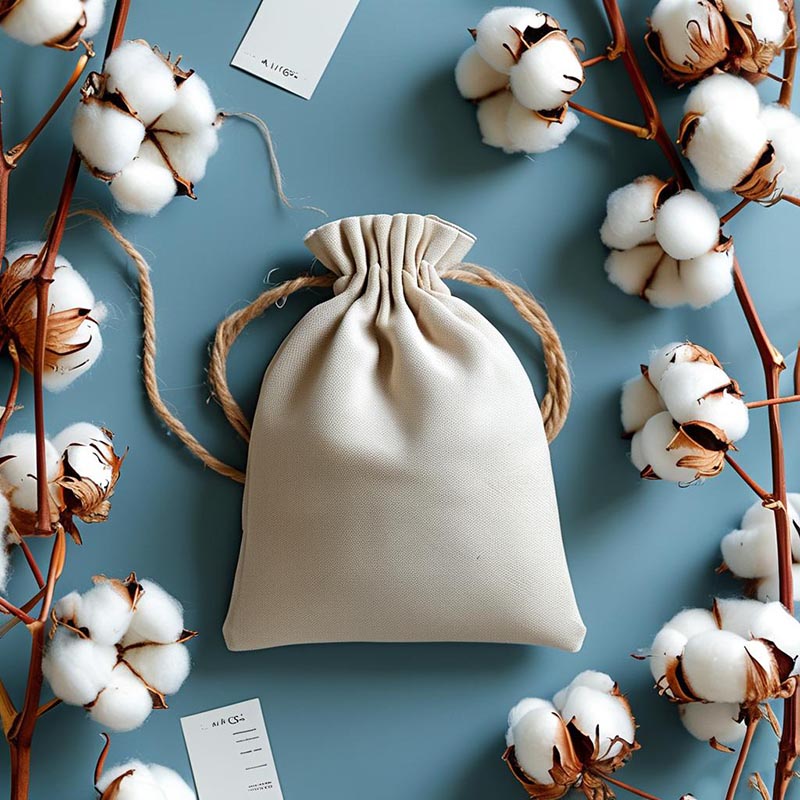
This article goes beyond the surface of raw material prices to trace the full cost journey of cotton products from fiber to finished bag, revealing the “invisible invoices” even seasoned industry insiders often overlook.
View Article

In the production of drawstring bags, color accuracy is one of the key factors that determine whether an order succeeds or fails. Given the technical challenges of translating Pantone colors to printed colors, drawstring bag manufacturers must establish a multi-dimensional color assurance mechanism
View Article

Choosing the right GSM is not about blindly chasing thickness, but strategically balancing structural strength, shipping efficiency, and environmental compliance.
View Article

When it comes to drawstring bags, wear and tear during daily use is often the decisive factor affecting product lifespan. Testing confirms that no single material is flawless—only the right material for the right scenario.
View Article

The choice of process will increasingly align with brand differentiation strategies, helping transform drawstring bags from functional packaging into vehicles of brand value.
View Article

This article offers a deep dive into fabric compatibility, technical parameters, and quality control—revealing how to use hot stamping to achieve a “low cost, high value” brand upgrade strategy.
View Article
Page 1
Next