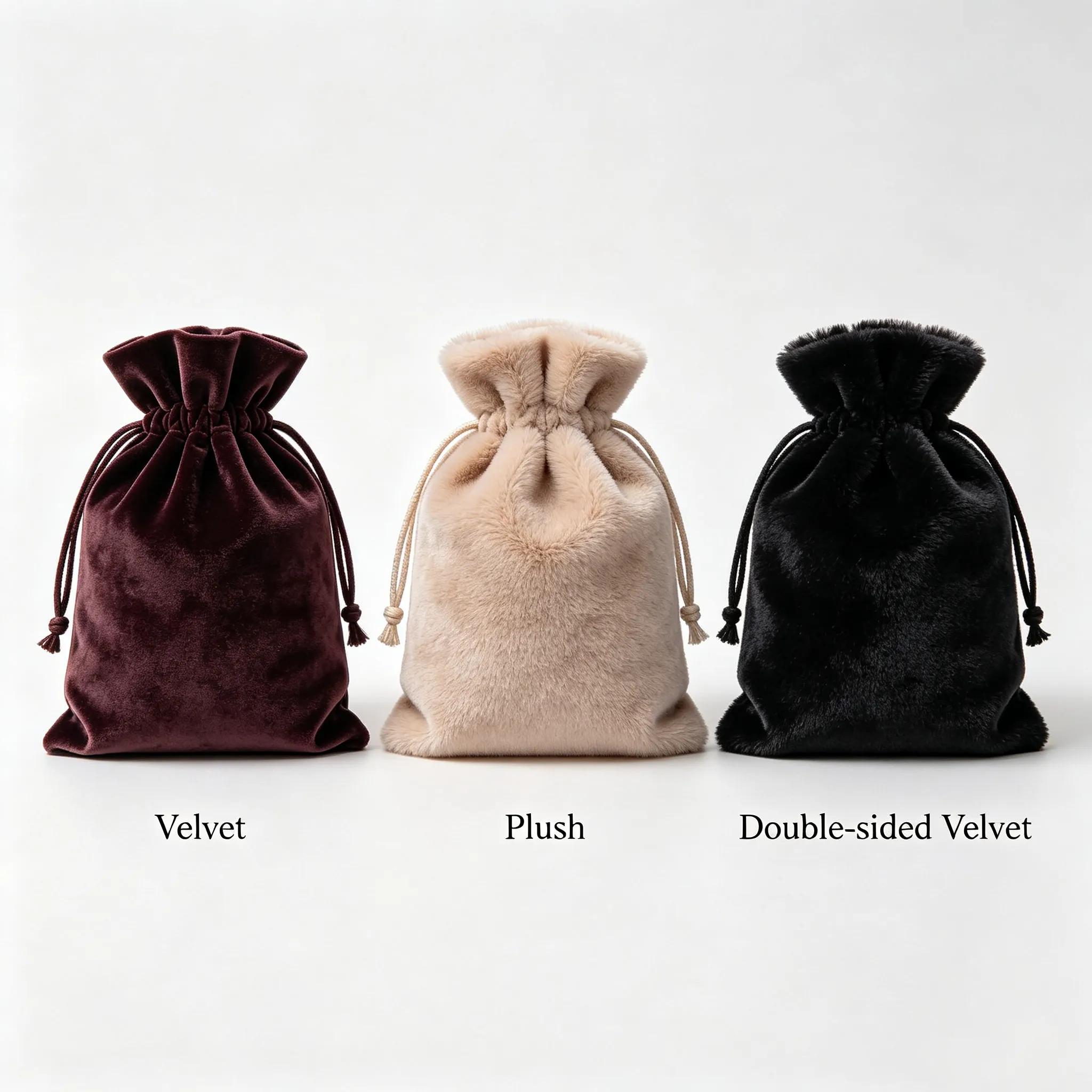
Beyond fiber composition, the weave structure and finishing process of velvet determine its final performance. The method of raising the pile, the pile shape, and the backing construction directly affect the drawstring bag’s hand feel, durability, and suitability for custom logo processes. Buyers often confuse plain velvet, long plush, double-faced velvet, knit velvet, flocked fabric, and more, leading to wrong choices. From a textile structure & process engineer’s perspective, this article explains seven common velvet structures and compares key metrics in a table. Whether you are sourcing a plain velvet drawstring bag, long plush pouch, double-faced velvet, or flocked fabric bag, you will find clear guidance here.
Plain Velvet / Velveteen
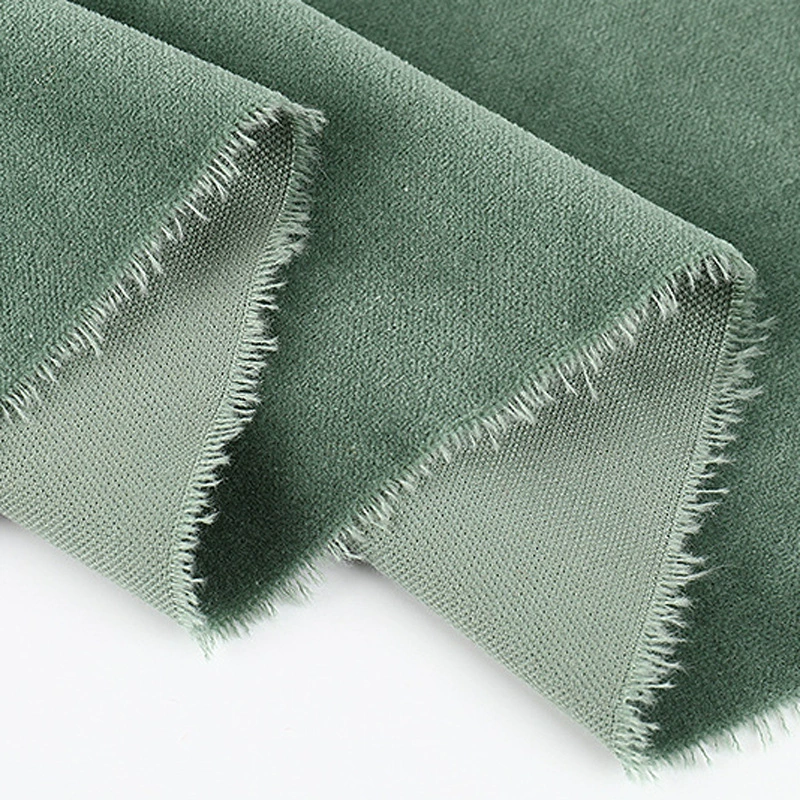
Plain velvet is the most common velvet structure. It has short, dense pile (typically 1‑2mm high) evenly distributed on a flat woven backing. The surface is smooth, the pile stands well, and it offers good abrasion resistance with a crisp hand feel. It is the most popular structure for drawstring bags because it balances softness and durability. Suitable for most commercial packaging, retail drawstring bags, and promotional pouches. The flat surface is excellent for foil stamping and screen printing.
Technical reference: Typical weight 250‑400 GSM, pile height 1.5‑2.5mm, woven backing.
Plain Velvet / Velveteen
Long Plush
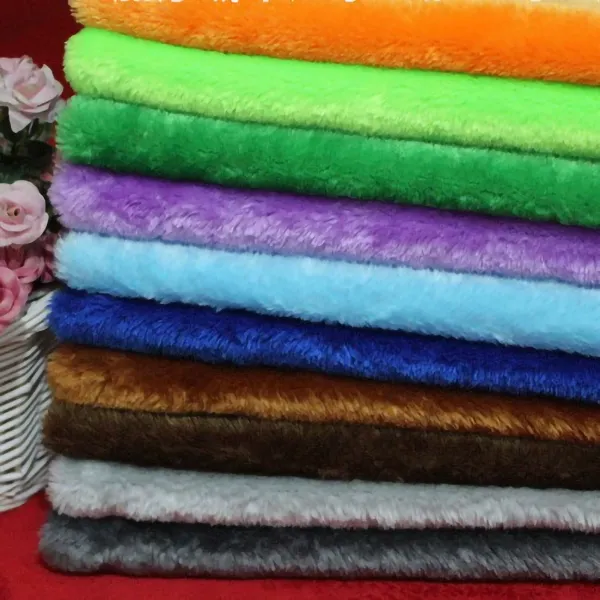
Long plush has pile height exceeding 3mm (up to 5‑10mm). It is extremely soft, fluffy, and voluminous. However, the pile is easily crushed and may not recover after prolonged pressure or friction. Suitable for gift bags, stuffed toy packaging, and holiday limited‑edition pouches – single or low‑frequency use. Not recommended for heavy jewelry that requires frequent handling.
Real sourcing case: A brand ordered long plush drawstring bags for wedding favors. During shipping, the bags were stacked and pressed against each other, causing permanent pile creasing. Half the shipment was rejected. Lesson: long plush should avoid long‑distance stacked shipping; if used, add individual protective packaging or switch to short‑pile plain velvet.
Long Plush
Double‑Faced Velvet
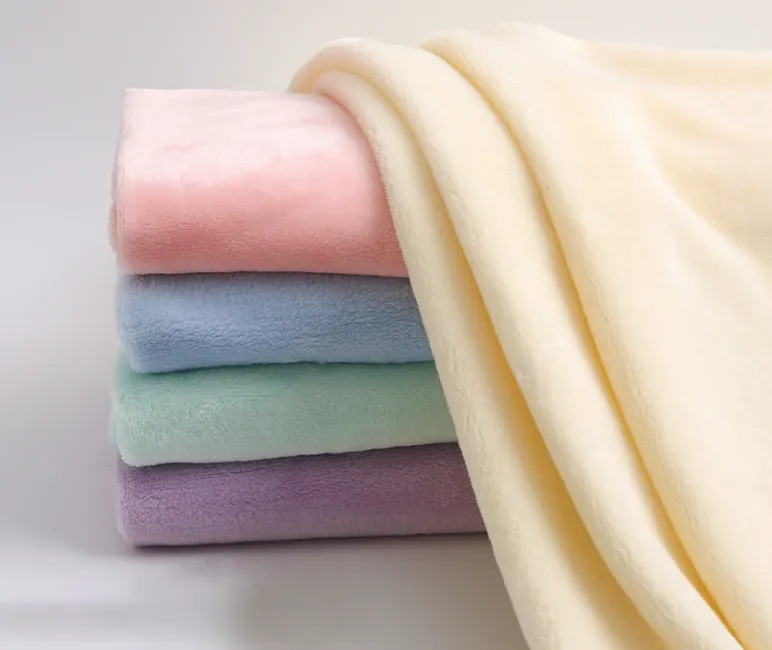
Double‑faced velvet has pile on both sides, with a central backing layer. This construction makes the fabric thick, stiff, and strong, with good load‑bearing capacity. Both sides can be used for display. Ideal for packaging that requires double‑side presentation (e.g., transparent window bags, drawstring bags with logos on both sides). Disadvantages: higher cost, heavier weight, and more difficult sewing.
Double‑Faced Velvet
Knit Velvet / Velour
Knit velvet uses a knitted backing (instead of woven), giving the fabric excellent elasticity and draping qualities. It feels exceptionally soft and conforms to shapes. Suitable for packaging that needs a snug fit or soft touch, such as lingerie bags, soft jewelry pouches. Disadvantages: dimensional stability is slightly poorer, and the edges tend to curl during sewing.
Flocked Fabric
Flocked fabric is made by electrostatic flocking – short fibers are vertically attached to a base fabric, not woven. It feels soft and has some anti‑slip properties (the vertical fibers increase friction). Ideal for linings (prevents jewelry sliding) or high‑end packaging box interiors. However, pile adhesion is weaker than woven velvet; shedding may occur after repeated friction.
Crushed / Embossed Velvet
Crushed velvet is made by heat‑pressing or mechanical embossing to create irregular luster patterns or three‑dimensional designs. The visual effect is unique and artistic. Suitable for designer editions and limited packaging. Disadvantages: lower abrasion resistance in the embossed areas, and higher cost.
Cut vs. Loop Velvet
Cut velvet: The woven loops are cut to create upright pile – soft, with good luster. Most velvet is cut velvet.
Loop velvet (uncut): The loops remain uncut (like terry cloth). It has better water absorption and superior abrasion resistance, but the hand feel is firmer. Suitable for applications needing high water absorption or extreme durability (e.g., sports equipment bags).
Comparison Table: Velvet Structures at a Glance
| Structure | Softness | Elasticity | Stiffness | Abrasion resistance | Logo process suitability (foil/screen/embroidery) | Relative cost |
| Plain velvet | Medium‑high | Low | High | Excellent | Foil ★★★★ Screen ★★★★ Embroidery ★★★ | Medium |
| Long plush | Very high | Low | Low | Fair | Foil ★ Screen ★★ Embroidery ★★★★ | Medium‑high |
| Double‑faced velvet | High | Medium | High | Good | Foil ★★ Screen ★★ Embroidery ★★★★★ | High |
| Knit velvet | High | High | Low | Fair | Foil ★ Screen ★★★★★ Embroidery ★★ | Medium |
| Flocked fabric | Medium | Low | Medium | Fair (pile may shed) | Foil ★ Screen ★★ Embroidery ★ | Low |
| Crushed/embossed velvet | Medium | Low | Medium | Lower (embossed areas) | Foil ★★★ Screen ★ Embroidery ★★ | High |
| Loop velvet (uncut) | Low | Low | High | Excellent | Foil ★ Screen ★ Embroidery ★ | Low |
Logo Process Recommendations by Structure
- Plain velvet: Best for foil stamping (flat surface, good adhesion). Screen printing also works. Embroidery may flatten the pile.
- Long plush: Best for embroidery (stitches show clearly against the pile). Screen printing blurs; foil adheres poorly.
- Double‑faced velvet: Also best for embroidery – both sides visible. Woven labels can be sewn on.
- Knit velvet: Best for screen printing (elastic backing conforms to ink). Foil tends to crack.
- Flocked fabric: Avoid fine foil or screen printing (fibers interfere). Sew on a woven label instead.
- Crushed/embossed velvet: Preserve the embossed pattern. Apply foil on non‑embossed areas or use a woven label.
- Loop velvet: Not recommended for fine logos; heat transfer of simple patterns may work.
Sourcing tip: After selecting the structure, always request swatches and produce sample drawstring bags to test logo adhesion and pile retention.
Conclusion
Structure selection is just as important as fiber composition for velvet drawstring bags. Plain velvet is the all‑purpose workhorse; long plush offers luxury but requires careful handling; double‑faced velvet is for premium double‑side presentation; knit velvet excels in soft elasticity; flocked fabric is good for linings; crushed velvet adds artistic value; loop velvet focuses on extreme durability. Make your decision based on product positioning (durability, hand feel, logo process, budget) to achieve the ideal drawstring bag packaging.
Recommended Further Reading:
 We like to do design according to all the customers' requirements, or offer them our new designs. With strong OEM/ODM capabilities, we can fill your sourcing demands.