As a packaging material and process expert, I am often asked the same question: “Why do some rigid boxes look cheap while others feel premium, even though they use the same greyboard core?” The answer lies in the lamination process. Greyboard itself is plain and rough – it serves as the concrete and steel structure of a building. The laminated material on the surface is the real “façade” – it determines the appearance, hand feel, and brand value of your custom rigid boxes. This comprehensive guide covers paper‑based, fabric‑based, and leather‑based materials, helping you select the perfect outer layer for your jewelry, cosmetic, or gift packaging.
1. Paper‑Based Lamination Materials – Traditional, Versatile, Best for Finishing
Paper is the most traditional and widely used category for greyboard lamination. Its key advantage is compatibility with almost all surface decoration processes: hot foil stamping, UV coating, embossing, screen printing, and film lamination.
Specialty Paper / Art Paper
This includes pearlescent paper, metallic paper, linen‑textured paper, and glass paper. Specialty papers already have rich textures or metallic sheen, delivering a premium look without heavy printing. They also support selective foil stamping and embossing.
Process compatibility: Foil stamping, UV, embossing, screen printing, lamination.
Lamination note: Keep weight 120–200 gsm. Too thick may wrinkle; too thin reveals greyboard color.
Coated Paper (Art Paper / Gloss Paper)
Coated paper has a smooth, high‑white surface offering the best color reproduction. Ideal for high‑precision photos, gradients, or brand spot colors. Usually laminated with gloss or matte film for durability and water resistance.
Process compatibility: 4‑color printing + lamination, plus foil stamping and embossing.
Lamination note: Laminated coated paper is tougher but requires higher‑quality adhesive.
Kraft Paper
Natural brown‑yellow color and rough texture; conveys a rustic, eco‑friendly brand message. Perfect for tea, organic skincare, or handicraft packaging.
Process compatibility: Screen printing, foil stamping (matte gold/silver). Not recommended for high‑precision 4‑color printing.
Lamination note: Use 120–180 gsm; too thick loses natural crease.
Black / Colored Cardboard
Black cardboard has an inherent deep, premium look; colored cardboard can be made in any spot color. Requires no lamination or printing – direct lamination creates strong visual impact. Ideal for men’s perfume, electronics, dark‑style jewelry.
Process compatibility: Foil stamping, silver stamping, embossing (very effective). Avoid lamination (hides natural texture).
Lamination note: Easily shows fingerprints – production staff should wear gloves.
2. Fabric‑Based Lamination Materials – Warm, Soft, Luxurious Touch
Fabric‑laminated rigid boxes provide a unique tactile warmth, making them a powerful tool for jewelry, high‑end cosmetics, and watch brands to elevate the unboxing experience. However, fabric requires extremely high lamination skills – edges must be polished perfectly to avoid fraying, bubbles, or adhesive failure.
Velvet / Flocking (Velvet, Short Plush, Flocked Fabric)
Velvet (long, dense pile), short plush (more durable, less shedding), and flocked fabric (electrostatically applied fibers, soft and anti‑slip). Velvet feels extremely luxurious but attracts dust – better suited for inner linings or short‑term display outer wrapping.
Process compatibility: Mainly hot foil stamping (requires smooth pile), embroidery, or sewing woven labels. Not suitable for fine printing.
Lamination note: Velvet is elastic; adhesive amount must be strictly controlled to avoid bleed‑through.
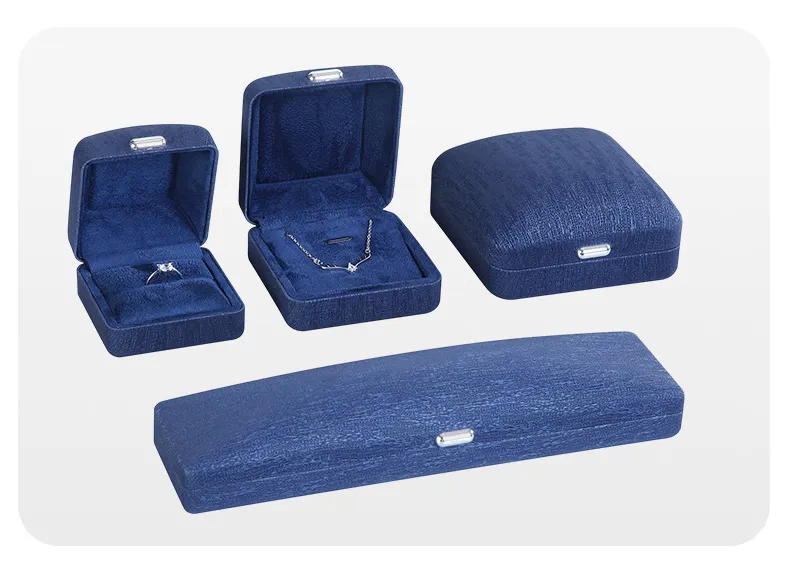
Suede Jewelry Box with Premium Texture
Bookbinding Cloth
Usually made of cotton or polyester, with clear textures (linen, fine grain). Durable, abrasion‑resistant, and colorfast. Used for high‑end book covers, premium rigid boxes, desk organizers.
Process compatibility: Foil stamping, embossing, screen printing, embroidery.
Lamination note: Relatively thick; greyboard edges should be beveled to avoid cutting the cloth.
Cotton / Linen Fabric
Natural plant‑fiber feel, dry to the touch, conveys simple, eco‑friendly style. Perfect for tea, organic agricultural products, handmade soap, natural skincare.
Process compatibility: Screen printing (with water‑based ink), foil stamping, embroidery.
Lamination note: High shrinkage – pre‑shrinking before lamination recommended.
Silk / Satin
Extremely smooth and glossy, highly glamorous. Usually not used for external lamination (easily snagged and soiled), but rather as inner linings, dividers, or drawstring bag trims.
Process compatibility: Not suitable for complex finishing; at most foil stamping on ribbons.
Lamination note: Extremely delicate – any adhesive bleed or dust becomes a visible defect.
3. Leather‑Based Lamination Materials – Luxury, Business, Sturdy & Durable
Leather‑laminated rigid boxes convey the highest level of luxury and corporate sophistication. They are often used for high‑end electronics (phones, watches), luxury jewelry, custom alcohol boxes, and corporate gift sets. Leather is thick and soft; after lamination the box feels full and rounded.
PU Leather (Polyurethane Leather)
Most commonly used leather material. Offers good value, wide range of colors and textures (pebble grain, crocodile, weave), easy to clean, water‑resistant, abrasion‑resistant. Modern PU is odorless and aging‑resistant.
Process compatibility: Foil stamping, silver stamping, debossed/embossed logo. Not suitable for complex printing.
Lamination note: Recommended thickness 0.4–0.6mm – too thick makes folded edge bulky, too thin wears easily.
Genuine Leather
Ultimate choice for luxury packaging. Every piece has unique grain and warm, supple feel. Disadvantages: very high cost, low material utilization, difficult color consistency. Only for top‑tier jewelry, watch, or private custom gift brands.
Process compatibility: Foil stamping, embossing (blind emboss often more elegant).
Lamination note: Usually ≥1.0mm thick; greyboard edges must be rounded before lamination.
Key Lamination Process Knowledge (What Procurement Must Check)
“Lamination” is the process of precisely bonding face paper/fabric to greyboard using specialized adhesives, followed by die‑cutting, edge folding, grooving, and finishing.
When inspecting or auditing suppliers, pay special attention to these five common defects:
- Bubbling – Air gaps causing bulging. Caused by uneven adhesive or insufficient pressing.
- Scratches – Nail or tool marks on delicate surfaces. High‑quality materials require gloves and protective film.
- Adhesive bleed – Glue oozing from edges, leaving stains. Especially on fabric and leather – nearly impossible to clean.
- Greyboard exposure – Face material cut too small or misaligned. Standard requires at least 2–3mm wrapping allowance.
- Unfilled corners – Face material not conforming to corners, causing depressions. Usually due to insufficient craftsman experience.
Conclusion & Comprehensive Comparison Table
| Aspect | Paper‑Based | Fabric‑Based | Leather‑Based |
| Hand feel | Smooth, bright, customizable | Warm, soft, natural or luxurious pile | Full, thick, business‑luxury |
| Durability | Average (better with lamination) | Good (bookbinding cloth is best) | Excellent (PU leather waterproof & abrasion‑resistant) |
| Cost | Low – Medium | Medium – High | High – Very high |
| Printing adaptability | Excellent (4‑color, foil, UV, embossing) | Limited (foil, embroidery, woven labels) | Limited (foil, deboss/emboss) |
| Typical applications | General gift boxes, cosmetics, electronics | Jewelry, lingerie, watches, tea | High‑end phones, luxury, corporate gifts |
Sourcing recommendations:
- For high value‑for‑money and rich visual effects → paper‑based (specialty paper + foil).
- For warm, soft packaging that invites touch → fabric‑based (short plush or bookbinding cloth).
- For top‑tier luxury, robust durability, and sufficient budget → PU leather or genuine leather.
Choosing packaging for your product is like choosing the right outer garment. If you are still unsure which lamination material fits your needs, contact us for free material samples (paper, velvet, PU leather, etc.). Our engineers will provide one‑on‑one advice based on your product characteristics and budget.
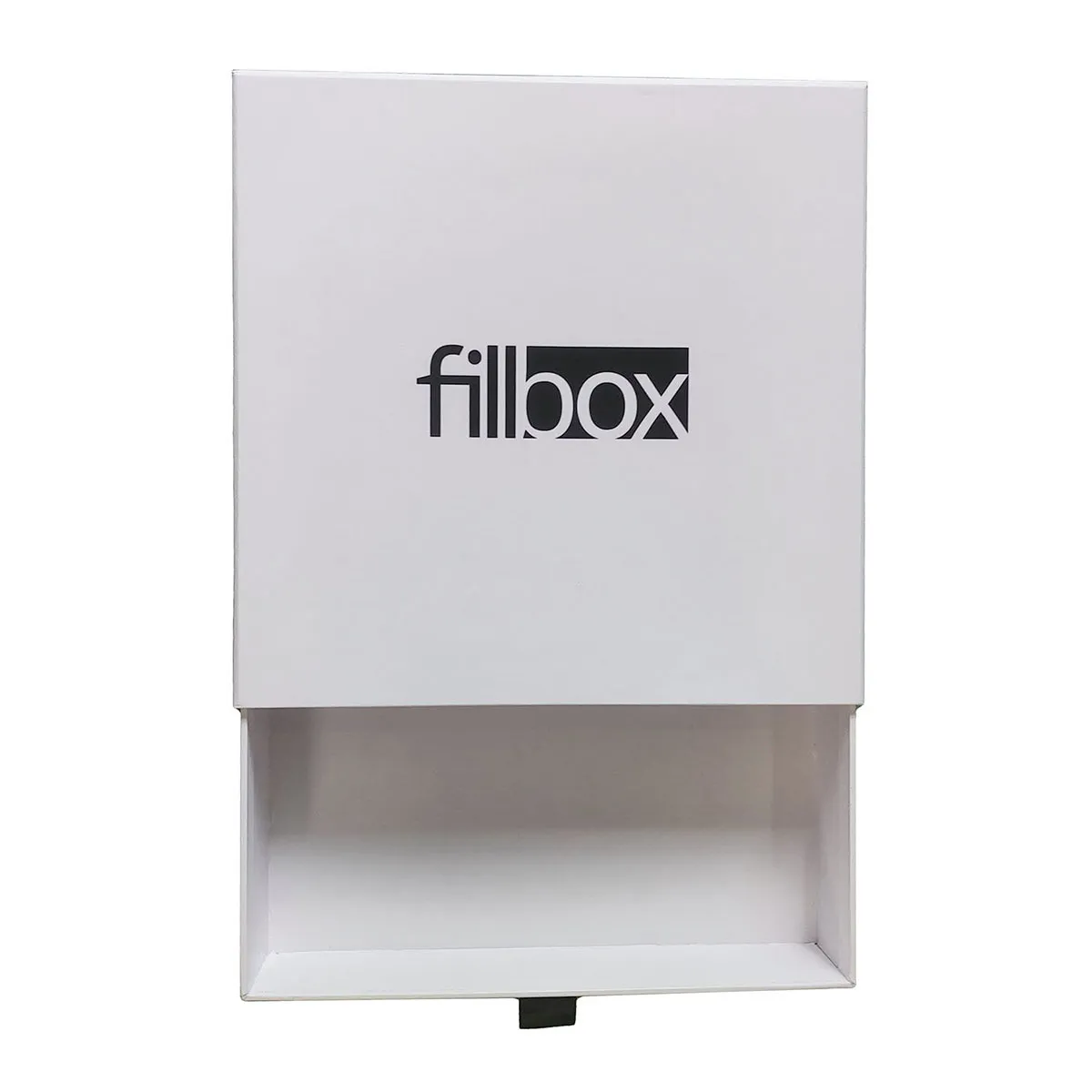
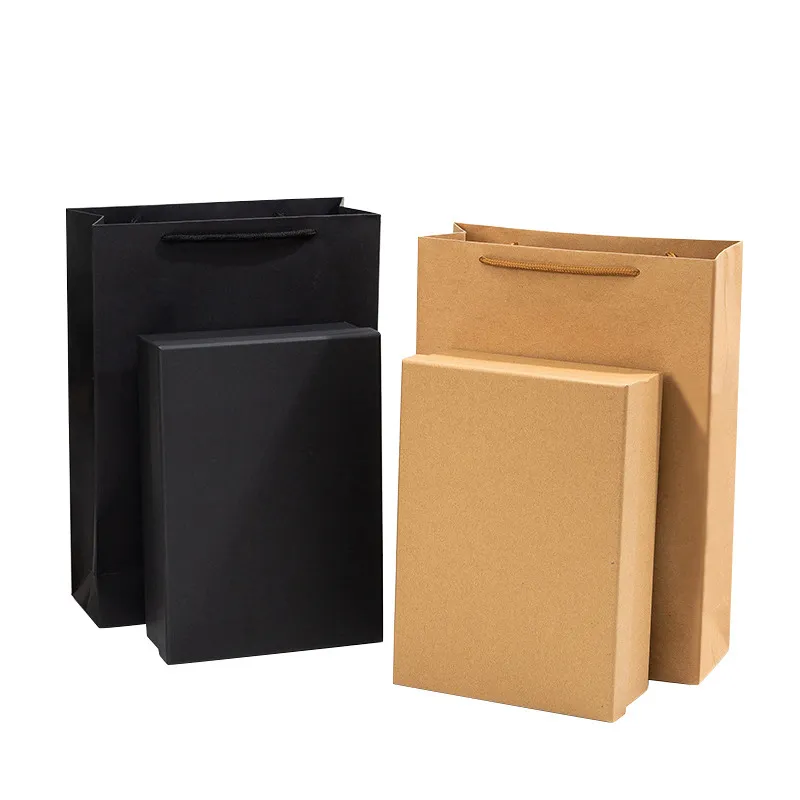
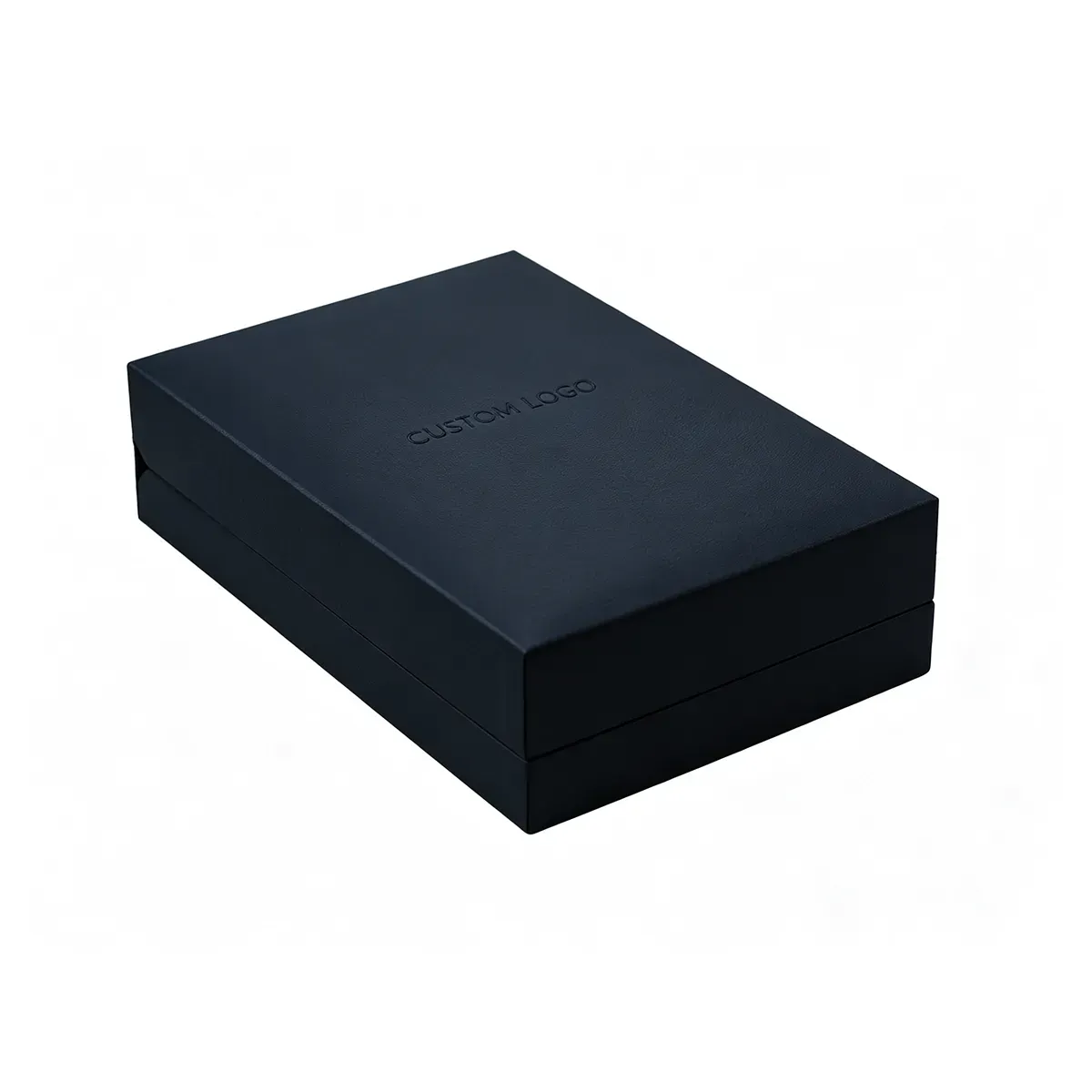
 We like to do design according to all the customers' requirements, or offer them our new designs. With strong OEM/ODM capabilities, we can fill your sourcing demands.