Velvet is defined by two elements: the cut-pile structure and the fiber composition. The pile gives softness and elegance; the fiber determines fundamental properties – strength, hand feel, cost, and eco‑friendliness. For drawstring bags, different fibers lead to very different performance. From a textile engineer’s perspective, this article compares polyester velvet, cotton velvet, silk velvet, nylon velvet, rayon/viscose velvet, and blended velvet. Whether you are sourcing a cotton velvet drawstring bag, a polyester velvet pouch, or a silk velvet jewelry bag, you will find clear guidance here.
This is the second part of our “Velvet Drawstring Bag Selection Trilogy”. For the overview, see Velvet Selection Overview. Next, we will cover fabric structure and construction.
Polyester Velvet
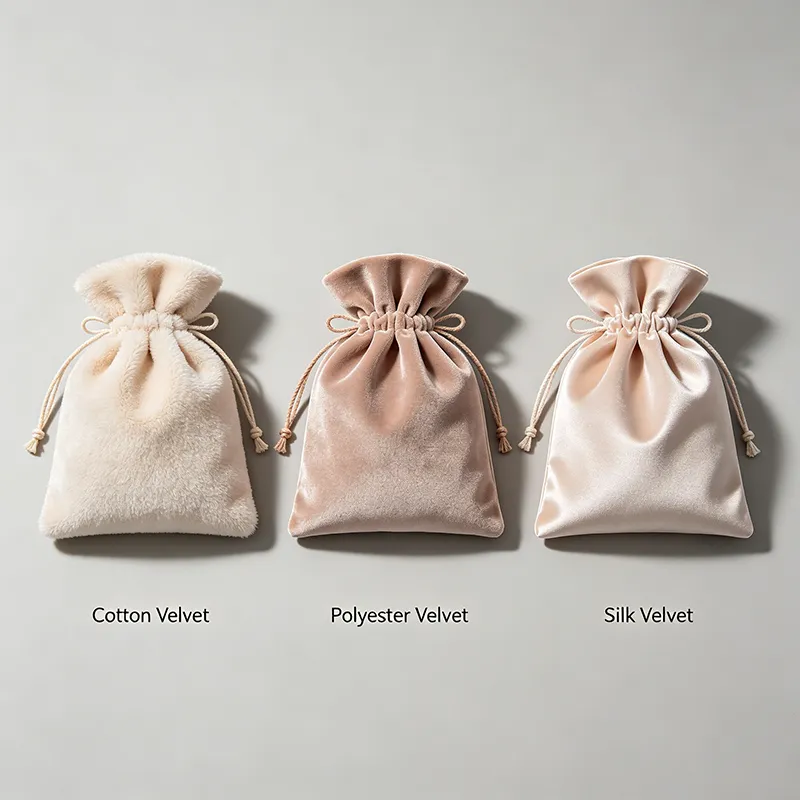
Polyester velvet is the most common synthetic pile fabric. Made from 100% polyester yarns, it offers excellent abrasion resistance, wrinkle recovery, and low cost. Easy to care for, suitable for mass production. Disadvantages: poor breathability and non‑biodegradable. Ideal for general‑purpose drawstring bags, promotional giveaways, and retail pouches.
Technical reference: Typical weight 200–350 GSM, pile height 1.5–3mm, colorfastness grade 4–5.
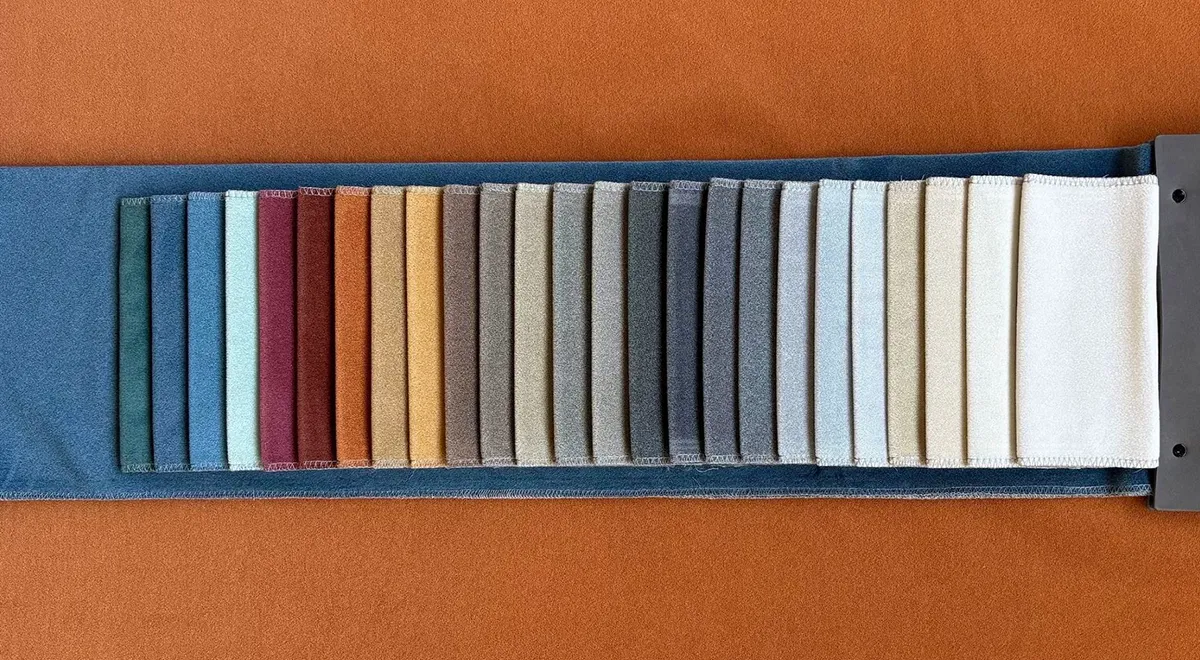
Polyester Velvet
Cotton Velvet
Cotton velvet uses natural cotton fibers. It has an elegant matte finish, is breathable, and skin‑friendly – perfect for direct contact with jewelry. Biodegradable, great for ESG brands. Disadvantages: lower abrasion resistance than synthetics (pilling possible) and wrinkles easily. Suitable for eco‑positioned packaging, jewelry pouches that touch the skin, and natural‑style gifts.
Real sourcing case: A “zero‑plastic” jewelry brand switched from polyester to organic cotton velvet bags. Unit cost rose 35%, but the brand earned B Corp points and saw a 20% increase in repeat purchases from premium customers. Fiber choice directly affects brand image and niche market acceptance.
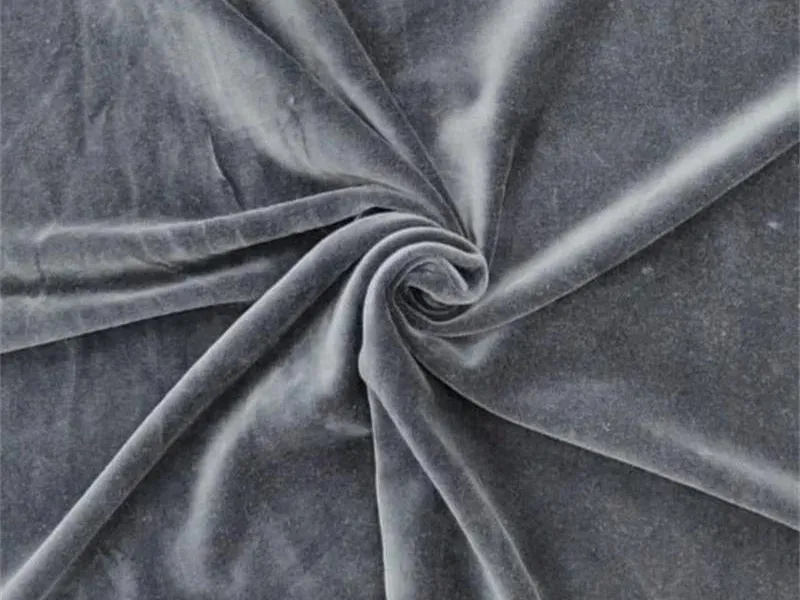
Cotton Velvet
Silk Velvet
Silk velvet is made from mulberry silk – the ultimate luxury pile fabric. It has a natural soft sheen and an extremely soft, draping hand feel. Disadvantages: delicate, low UV resistance, prone to insect damage, difficult to clean, and highest cost. Only suitable for top‑tier jewelry, luxury limited editions, and high‑end custom gift boxes where unboxing experience is paramount.
Note: Some “silk velvet” is rayon imitation. Always request fiber composition test reports.
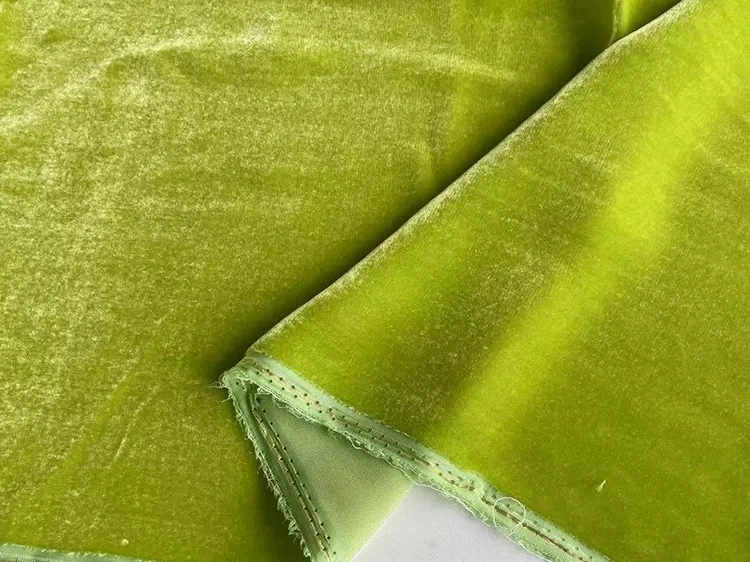
Silk Velvet
Nylon Velvet
Nylon velvet (polyamide) has excellent elastic recovery and outstanding abrasion resistance – the best among all velvets. It also has vivid luster and high color saturation. Disadvantages: poor moisture absorption, prone to static, and higher cost than polyester. Suitable for heavy‑duty applications such as tool pouches, outdoor gear drawstring bags, and frequently used retail display bags.
Rayon / Viscose Velvet
Rayon velvet is made from wood pulp chemically processed. It feels soft, close to silk, with good draping properties and much lower cost than silk. Luster is between matte and bright. Disadvantages: very low wet strength (weakens when wet), high shrinkage, and average abrasion resistance. Suitable for mid‑to‑high‑end gift packaging, single‑use or short‑cycle packaging (e.g., holiday limited editions). Not recommended for washable applications.
Blended Velvet
Blended velvet typically mixes polyester with cotton or other fibers to balance performance and cost. Common blends: 70% polyester + 30% cotton, or 80% polyester + 20% rayon. Blends retain polyester’s abrasion resistance and wrinkle recovery while adding breathability and a softer feel from natural fibers. High value for money. Suitable for most commercial packaging, retail pouches, and bulk custom drawstring bags.
Quality note: Even within the same fiber type, velvet quality varies greatly. For example, a low‑density 180 GSM polyester velvet feels thin and pile flattens easily, while a high‑density 400 GSM woven‑back polyester velvet is thick, stiff, and several times more durable. Always request swatches and test weight (GSM) and pile anchorage strength.
Comprehensive Fiber Comparison Table
| Fiber type | Softness | Luster | Abrasion resistance | Eco‑friendliness (biodegradable) | Cost (relative) | Typical applications |
| Polyester velvet | Medium | Bright | Excellent | No | Low | Promotional bags, general packaging |
| Cotton velvet | Soft | Matte | Fair | Yes | Medium‑high | Eco‑bags, skin‑contact jewelry |
| Silk velvet | Extremely soft | Soft sheen | Poor | Yes | Very high | Luxury, high‑end gifts |
| Nylon velvet | Medium‑firm | Vivid | Superior | No | Medium | Heavy‑duty, outdoor bags |
| Rayon/viscose velvet | Near silk | Semi‑matte | Fair (poor when wet) | Partially (chemically processed) | Medium | Mid‑high gifts, single‑use packaging |
| Blended velvet | Adjustable | Adjustable | Good | Partially | Low‑medium | Commercial retail, bulk custom bags |
Sourcing Recommendations by Product Positioning
- Luxury / top‑tier jewelry: Prioritize silk velvet; alternatively, high‑density cotton velvet or high‑quality rayon (clearly communicate washing limitations).
- Mid‑high brands / premium retail: Recommend blended velvet (e.g., 70/30 polyester/cotton) or high‑GSM polyester velvet (≥350 GSM, woven backing). Balances hand feel, durability, and cost.
- Eco‑positioned / ESG brands: Must choose cotton velvet or organic cotton velvet with GOTS certification. Avoid synthetic fibers.
- Fast‑moving consumer goods / promotions / large‑volume giveaways: Polyester velvet is the first choice – control weight at 200–250 GSM for lowest cost and wide color range.
Important reminder: Regardless of fiber choice, request the following from your supplier: weight (GSM), pile height, backing structure, colorfastness test report (≥ grade 4), and pile shedding rate (≤0.5%). During sampling, ask for finished drawstring bags and test them with actual products for repeated opening/closing and friction.
Conclusion
Fiber composition is the first decision when sourcing velvet for drawstring bags. It determines basic performance, cost, and eco‑profile. Polyester velvet offers value; cotton velvet is skin‑friendly and eco‑friendly; silk velvet is ultimate luxury; nylon velvet is super durable; rayon balances hand feel and budget; blended velvet is the optimal choice for most commercial applications. In the next guide, we will explore the “construction” dimension – how knitted vs. woven backing affects elasticity, stiffness, and sewing difficulty of velvet drawstring bags.
Recommended Further Reading:
 We like to do design according to all the customers' requirements, or offer them our new designs. With strong OEM/ODM capabilities, we can fill your sourcing demands.